
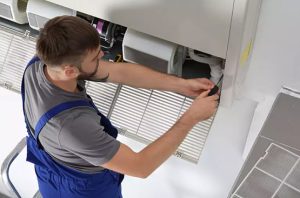
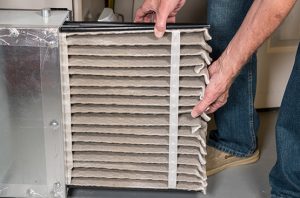
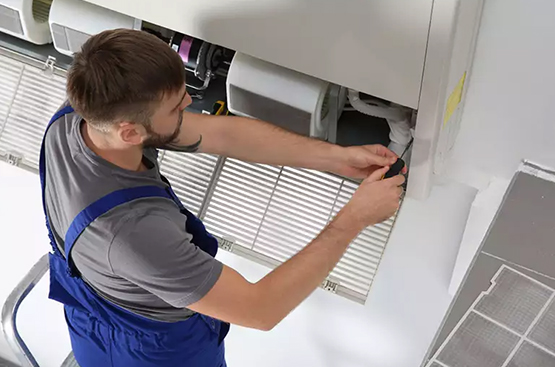
Your HVAC system works hard in Texas. It cools fast in summer and warms steadily in winter. However, small issues can build up quietly. Dust, loose parts, and weak airflow often start the trouble. That’s why seasonal HVAC maintenance matters so much. It helps you spot problems early, keep comfort steady, and avoid panic calls later. In fact, most breakdowns give warning signs first. As a result, a simple plan can save money and stress. Think of it like checking your tires before a long road trip. You don’t wait for a flat.
Seasonal HVAC Maintenance Helps You Avoid Surprise Breakdowns
A smart schedule keeps your system ready for extreme weather. However, many people wait until the first hot day or cold night. That timing often leads to long wait times and bigger repairs. With HVAC maintenance services, a tech can catch worn parts early and clean what slows your system down.
Because small problems grow fast, it helps to check things twice a year. Seasonal HVAC maintenance also gives you a clear baseline, so you notice changes sooner. As a result, your unit starts easier, runs quieter, and feels more reliable when you need it most.
A steady system should deliver comfort in every room. Year-round HVAC performance becomes much easier when you plan, not after the fact. Even a simple reminder on your phone can help. Pick two dates and stick to them.
What Gets Checked During a Seasonal Visit
A good visit follows a simple checklist. However, the steps still cover the parts that matter most. Heating and Cooling Maintenance focuses on airflow, safety, and clean operation, so your home stays consistent.
Here are a few common items a tech will review:
- Filters, vents, and returns
- Thermostat settings and accuracy
- Electrical connections and controls
- Drain line and moisture issues
As a result, you get fewer comfort swings and fewer odd smells. You can also ask questions, so you understand what your system needs next. Many homeowners add a quick tune-up before peak season. HVAC tune-up services can be a smart way to reduce mid-season headaches. It also helps you plan your budget. You can fix small things now, instead of paying for emergency work later.
How Maintenance Can Lower Your Monthly Bills
Energy waste often comes from strain. However, strain can be hard to see without a check. HVAC system efficiency improves when coils are clean, airflow is strong, and settings are correct. You might notice this in real life. For example, if your kids keep turning the thermostat down at night, the unit may run longer than it should. After a check, your home may cool faster, so the setting doesn’t need to be so low. As a result, your bill can feel more predictable.
A clean system also helps the air feel less stuffy. Therefore, your home feels better even at the same temperature. A clean setup also supports an energy efficient HVAC System. Over time, these small gains add up. Your system does less work to deliver the same comfort.
Why Spring and Fall Are the Best Times to Act
Timing matters. However, you don’t need perfect weather to plan. Spring and fall sit right before the toughest seasons. That’s why preventive HVAC maintenance works so well during these months.
This timing also supports HVAC performance optimization. When you act early, you avoid peak-season rush. You also catch problems before the unit runs all day. Seasonal HVAC maintenance in the shoulder seasons can reduce surprise shutoffs and weak airflow when temperatures spike.
Seasonal Care Options
| Option | Best for | Typical time | Risk level |
| Filter change | Basic airflow help | 5 minutes | Low |
| Outdoor debris cleanup | Better airflow outside | 10 minutes | Low |
| Full pro inspection | Deep checks and testing | 60–90 minutes | Lowest |
| Wait for a breakdown | None | Unknown | Highest |
This plan keeps things simple. You do the easy parts at home and call a pro for the deeper checks.
Simple Home Habits That Support Pro Care
Daily habits can protect your system. However, they work best when paired with a real inspection. HVAC repair prevention improves when you remove common stress points and stay consistent.
Try these home-friendly steps:
- Keep vents open and unblocked
- Replace filters on schedule
- Trim plants away from the outdoor unit
- Rinse dust off the outside (power off)
Because airflow drives comfort, these steps can make a big difference. They also help a tech do better work during a visit. As a result, you get more value from each appointment. If you want a steady service plan, Randolph’s Heating & Air LLC can help you set up seasonal reminders and clear next steps. That kind of structure makes it easier to stay on track, even during a busy year.
The Warning Signs You Shouldn’t Ignore
Your system often “talks” before it fails. However, many people miss the early clues. Common HVAC Problems include odd noises, weak airflow, warm spots, and short cycling. If you hear a new rattle, don’t turn up the TV and hope it stops. Instead, take a quick look at your filter and vents. Then call for help if the issue sticks around. As a result, you can avoid damage to bigger parts like motors and controls. Also, watch your bill. A sudden jump can mean the unit is working too hard. If comfort feels uneven, trust that signal. Small changes often point to a real cause.
When You Need Local Help, Speed Matters
Sometimes you need fast service. However, it still helps to choose a team that knows your area and common system setups. HVAC Maintenance and Repair in Troy TX can be smoother when a technician understands local weather demands and seasonal strain.
Because extreme heat can hit quickly, waiting can turn a small issue into a big one. Therefore, it helps to book early and keep records of past work. As a result, your tech can spot patterns and fix repeated problems faster. You can also ask for simple tips after the visit. Small changes in filter timing or thermostat use can make a real difference. For many homes, a steady plan beats last-minute scrambling every time.
Repair, Replace, or Consider a Different Option
Big choices feel easier with clear facts. However, many people decide under stress, right after a breakdown. The best heating repair in Morgan’s Point TX, searches often spike during cold snaps, when time feels tight.
Here are a few questions that help you decide:
- How old is the system?
- Have repairs become frequent?
- Do rooms heat and cool evenly?
- Does the unit run loudly or long?
As a result, you can choose repairs, upgrades, or a replacement with less guesswork. Some homeowners also look at used HVAC units for sale in Troy to stretch a budget, but it’s important to confirm fit and condition. If you need guidance on next steps, Randolph’s Heating & Air LLC can explain options. That way, you can choose what fits your home, not just what feels urgent.
A Quick Recap for Busy Homeowners
A seasonal plan keeps your system ready for real weather. However, it doesn’t need to feel complicated. Set two dates each year and stick to them. Keep filters fresh and vents clear. Listen for new sounds and watch for uneven temps. Therefore, you can catch issues early and avoid panic calls.
It also helps to keep simple notes. Write down dates, symptoms, and what was fixed. As a result, you and your technician can spot patterns faster. Small steps today often prevent bigger problems tomorrow. Comfort should feel normal, not like a daily battle. Call now, schedule a visit, and get clear answers from Randolph’s Heating & Air LLC. If your home feels uneven, your system sounds louder, or your bill keeps creeping up, it’s time to act.
FAQs
Why is seasonal HVAC maintenance important?
It helps catch small issues early, so your system runs more smoothly in hot and cold weather. It also reduces surprise repairs and keeps comfort more steady in each room.
Can seasonal maintenance prevent HVAC system failure?
It can lower the risk by finding worn parts, dirty buildup, and safety issues early. While it can’t stop every failure, it often prevents the most common ones.
Does HVAC maintenance reduce energy costs?
Yes. Clean parts and proper airflow help the unit do the same job with less effort. As a result, run times often drop, and energy waste becomes less likely.
What happens if I skip HVAC maintenance?
Dust and wear build up over time. You may notice louder operation, uneven temperatures, higher bills, and a greater chance of a breakdown during extreme weather.
What are the signs my HVAC system needs maintenance?
Watch for weak airflow, new noises, odd smells, short cycling, and hot or cold spots. A sudden bill increase can also point to a system working too hard.
What parts of the HVAC system are checked during maintenance?
A visit often checks filters, coils, drains, wiring, safety controls, blower parts, and thermostat accuracy. Techs also test airflow and look for leaks or worn components.